 how-to
7 Steps to Identify a Rare Railroad Stock Certificate
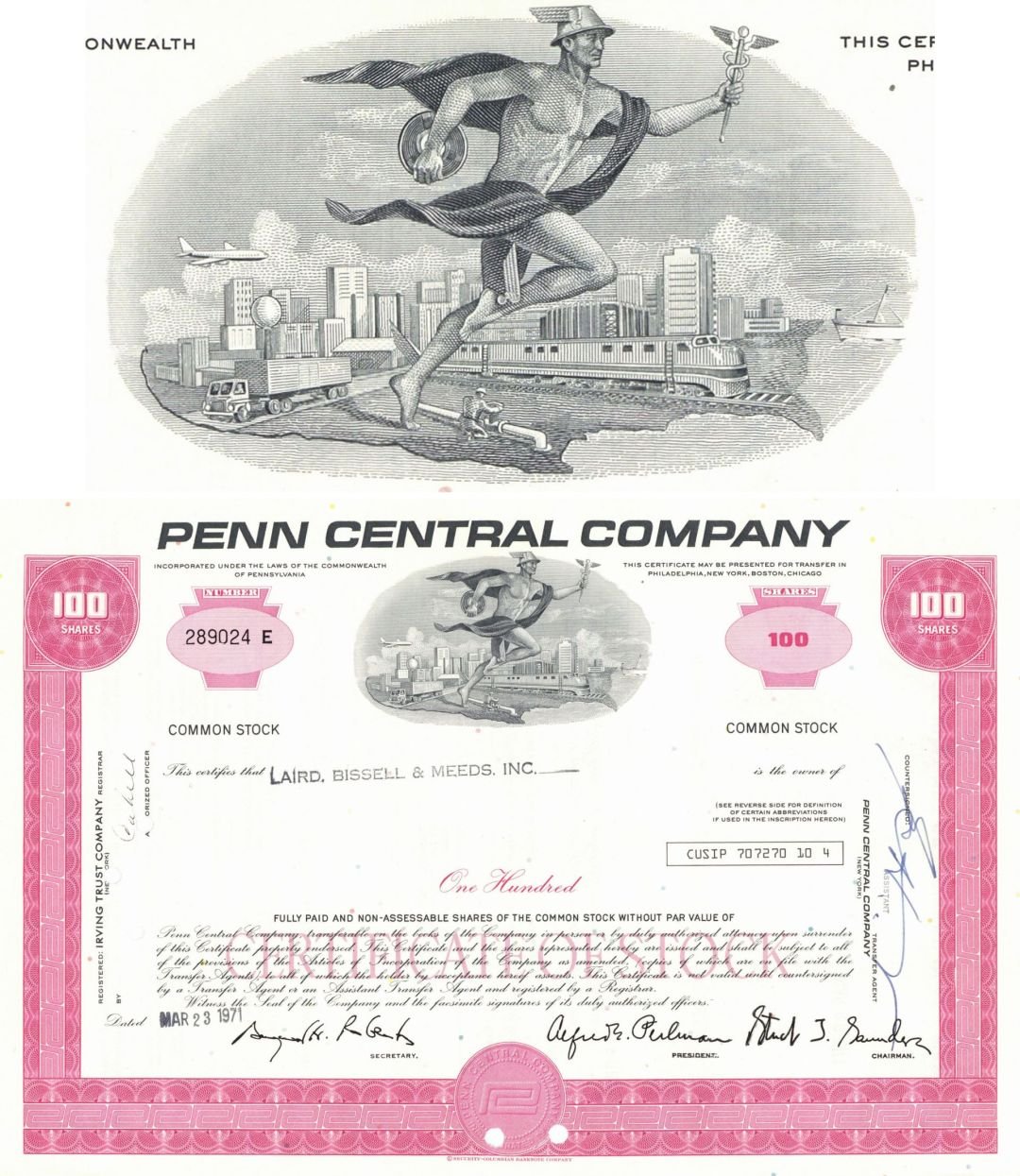
Table of Contents
- Start With the Issuer: Reading the Company Name, Location and Dates
- Step 2: Confirm the Certificate Type: Stock Versus Bond or Coupon
- Step 3: Examine the Engraving, Vignettes and Design Clues
- How to Tell Genuine, Altered and Reproduction Certificates Apart
- Using a Railroad Stock Certificate Lookup and Primary Sources
- Judging Rarity, Examples and Old Railroad Stock Certificate Value
- Frequently Asked Questions
Start With the Issuer: Reading the Company Name, Location and Dates
Last Updated: November 1, 2026
Identifying a rare railroad stock certificate, including the railroad stock certificates that collectors seek most, starts with one question: who issued it?
Read the engraved header first. The company name usually appears in the largest lettering, often flanked by the state of incorporation.
Next, look for dates. Watch for these clues:
- Date of incorporation: Usually printed near the company name or in the body text
- Issue date: Often handwritten or printed beside the signatures
- Certificate number: Helps sort the document within the company's records
- Par value: The stated face value per share, which helps place the document in time
Keep a simple log of the name, state, dates and number for later record searches.
Watch out: a company name that sounds like a railroad may not be one.
Step 2: Confirm the Certificate Type: Stock Versus Bond or Coupon
Next, decide whether you hold a stock certificate, a bond or a coupon sheet. The wording at the top and the body text usually tell you. Among railroad stock certificates, the document states that the holder owns shares of the company.
Check for these markers:
- Shares language: Phrases like "is the owner of ... shares" point to stock
- Principal and interest: Words like "bond," "principal" or "coupons attached" point to debt
- Attached coupons: Their presence strongly suggests a bond
- Signatures and seal: Both document types may carry them, so do not rely on these alone
This step matters because bonds and stocks follow different collecting patterns. Misreading the type can lead you to the wrong market and the wrong comparisons.
The table below summarises how to tell a stock certificate from a bond or coupon sheet.
Marker | Points to | Why it matters |
|---|---|---|
Shares language | Stock | Phrases like "is the owner of ... shares" |
Principal and interest | Bond | Words like "bond," "principal" or "coupons attached" |
Attached coupons | Bond | Their presence strongly suggests a bond |
Signatures and seal | Either | Both document types may carry them |
Step 3: Examine the Engraving, Vignettes and Design Clues
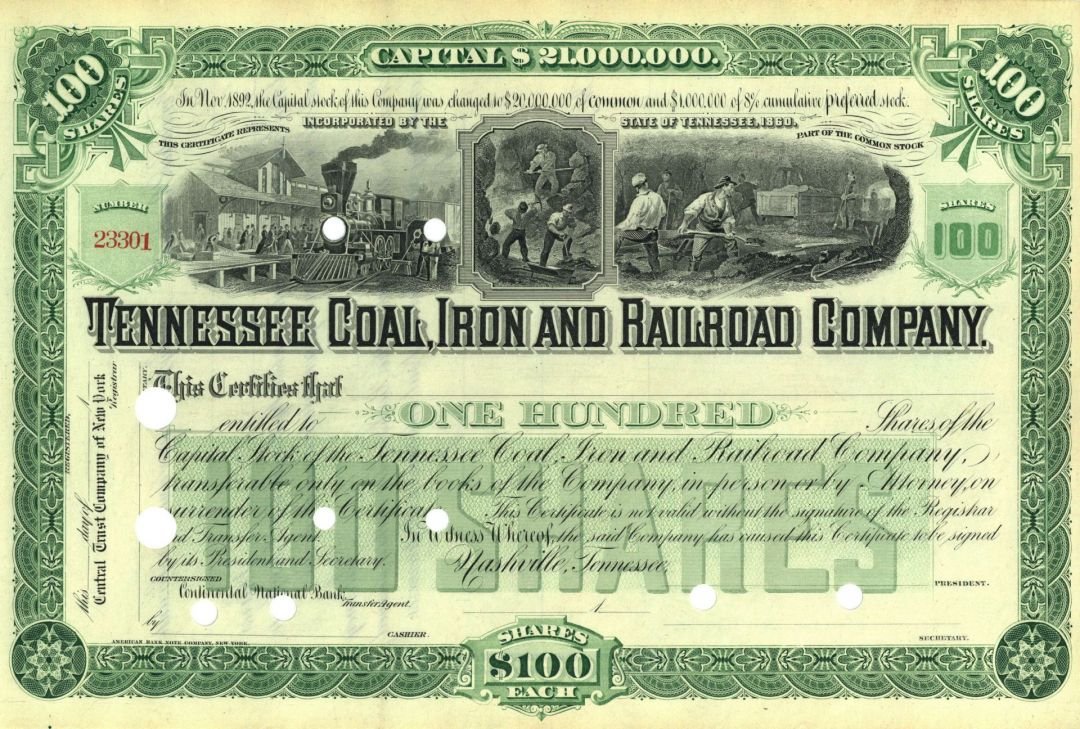
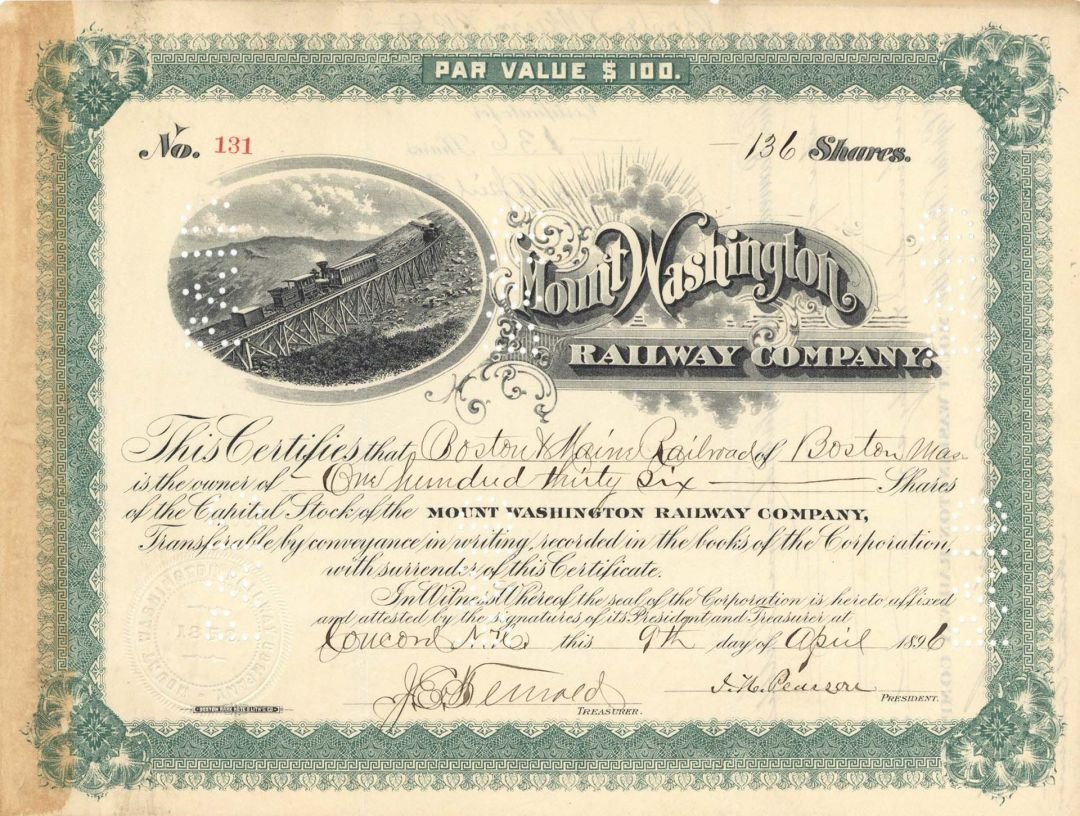
Look closely at the artwork.
Hands wearing gloves examining the ornate locomotive vignette on antique railroad stock certificates under a lamp
Compare printing quality. Fine line engraving, crisp borders and detailed scrollwork usually indicate a traditional engraving firm, while blurry lines, uneven ink or flat color can signal a later reproduction.
Check the design against the company's era. A locomotive shown on a certificate should match the technology of the years the company operated. An anachronistic design is a warning sign.
How to Tell Genuine, Altered and Reproduction Certificates Apart
Not every railroad certificate you find is what it claims to be. Three categories matter most:
- Genuine: Issued by the company, with consistent printing, paper and signatures
- Altered: A real certificate that has been changed, such as a raised date, a swapped name or added signatures
- Reproduction: A modern copy made for decoration, often sold as a "facsimile" or "reprint"
Most collectors find that authentication is a process of elimination, not a single test. Work through the document in layers: paper first, then printing, then ink and signatures, then provenance.
Layer 1: Paper and Physical Feel
Genuine 19th- and early 20th-century certificates were printed on security paper designed to resist forgery. Hold the certificate to a light source and look for a watermark, a woven fiber pattern, or a colored security thread. Many also carry a printed or embossed corporate seal; a flat, photocopied-looking seal is a warning sign. Old paper typically has a crisp, slightly heavy feel and may show foxing or faint toning, while reproduction paper often feels uniformly smooth, bright white, or unnaturally stiff.
Layer 2: Printing and Engraving
Traditional certificates were often produced by engraving firms such as the American Bank Note Company, Homer Lee Bank Note Company, or Western Bank Note Company. Genuine engraving shows fine, raised lines that catch light at an angle; reproduction printing is usually flat offset or digital, with uniform ink density and no raised line. Under magnification, genuine border scrollwork holds crisp edges, while copies show broken or fuzzy lines.
Layer 3: Ink, Signatures and Handwriting
Most genuine certificates were signed by hand in ink, often by a company officer and a transfer agent. Altered documents sometimes show a date or name in ink that sits on top of the paper differently, or erasure marks where a previous entry was removed. Check whether handwritten entries align with the printed blanks and match the period's handwriting style, and compare with a known example from the same company and year if possible.
Layer 4: Provenance and Documentary Consistency
A genuine certificate should be consistent with the company's known history. Confirm that the company existed on the issue date, that the certificate number falls within a plausible range, and that the officer signatures match names found in annual reports or corporate records.
A Practical Authentication Checklist
- Hold the paper to light and check for watermark, fibers, or security thread.
- Examine the border and vignette under magnification for raised, crisp engraving lines.
- Compare ink color and sheen between handwritten and printed areas.
- Look for erasure marks, mismatched fonts, or inconsistent aging around edits.
- Verify the issue date, certificate number, and signatories against company records.
- Compare with known examples from the same company, year, and printer.
A repeatable workflow, paper, printing, ink, provenance, is the difference between a confident identification and a guess. Photograph each layer as you go to support any later appraisal or sale.
Using a Railroad Stock Certificate Lookup and Primary Sources
Once you have the company name, dates and location, search for primary sources: annual reports, state corporation records, court filings, and archives held by historical societies and university libraries.
A railroad stock certificate lookup works best when you combine several search terms:
- The exact company name, plus variations and former names
- The state of incorporation
- The years printed on the certificate
- Terms like "stock," "annual report" or "receivership"
Many older railroads went through bankruptcy or merger, and the records of the successor company often hold the answers you need.
Be careful with online listings and collector forums. They can be useful for clues, but they are not proof. Treat them as leads to verify, not as evidence.
Judging Rarity, Examples and Old Railroad Stock Certificate Value
Age alone does not make a railroad certificate valuable. Many old certificates are common and sell for modest amounts. Rarity depends on how many were issued, how many survive, and how many collectors want that particular company. Assess rarity and value separately, using evidence you can document.
A Practical Rarity Assessment Method
Rarity is not a feeling; it is a relationship between supply and demand. Work through four questions in order:
- How many were issued? Check annual reports, stock ledgers, and corporate records for the number of shares authorized and issued.
- How many survive? Estimate by counting examples in dealer inventories, auction archives, museum collections, and collector databases.
- How long did the issuer operate? Short-lived companies, receiverships, and lines absorbed quickly often leave fewer surviving certificates.
- How many collectors want it? Demand is company- and theme-specific; striking locomotive vignettes, famous routes, or well-known railroad names attract more buyers than obscure lines with plain designs.
Record this in a rarity log: company name, years of operation, known issue volume, number of examples located, and where you found them. A certificate with few located examples and a short operating history is a stronger rarity candidate than one with dozens of examples and a century of operation.
Separating Asking Prices from Realized Sales
Old railroad stock certificate value varies widely. A common certificate from a long-lived line may bring little, while a scarce one from a short-lived company can bring far more. The most common mistake is treating an asking price as a value; realized prices reflect what buyers actually paid.
Look for completed sales rather than active listings. Auction archives, dealer sold-price lists, and documented collector transactions are more reliable than marketplace listings. When you compare, match on these variables:
- Company and route: Same issuer, or a closely comparable line
- Certificate type: Stock versus bond, and issued versus unissued
- Date and certificate number: Earlier or lower-numbered examples may be scarcer
- Condition: Crisp, unfolded, unmarked documents tend to hold value better
- Signatures and vignette: Famous officers or striking artwork can lift demand
- Provenance: Documented ownership or historical association can add value
What Moves Value Up or Down
Condition matters, but so does completeness. A certificate with all coupons attached, original signatures, and a clean corporate seal is generally more desirable than a trimmed or heavily folded example.
Avoid assuming a value from a single listing. Look at several sales records, and note whether the prices reflect completed sales or only asking prices. For a professional assessment, consult a reputable dealer or document appraiser. Pricing depends on the document and the market, so contact George H.
Frequently Asked Questions
Are old railroad stock certificates worth anything?
Age alone does not make a railroad stock certificate valuable. Many older certificates are worth modest amounts because large numbers were printed and survive today. Value depends more on the issuing company's historical significance, the condition of the document, whether it is issued or unissued, and how scarce that particular certificate is. Compare a certificate against realized sale records rather than assuming its age guarantees worth.
How do I look up a railroad stock certificate?
Start by recording the company name, location, issue date, certificate number, and any signatures or seals. Use these details to search railroad history archives, state corporate records, and scripophily references. Primary sources such as historical railroad annual reports can confirm whether the company existed and when it operated. Specialist dealers and collector groups can also help match your document to known examples.
How can I tell whether a railroad stock certificate is authentic?
Check the printing quality, paper, and engraving detail against known genuine examples from the same company. Look for signs of alteration, such as mismatched ink, added text, or inconsistent signatures. Reproductions often lack the fine line work of original engraving. If you are unsure, ask a qualified dealer or appraiser to examine the document in person before you buy or sell it.
